Antibody-drug conjugates (ADCs) have become an important therapeutic modality in oncology because they integrate the molecular recognition properties of antibodies with the pharmacological activity of highly potent payloads. In a conventional ADC, a monoclonal antibody binds a tumor-associated antigen, a linker connects the antibody to the payload, and the payload is delivered preferentially to antigen-expressing tumor cells. This modular architecture has enabled the selective delivery of cytotoxic agents that would otherwise be too toxic for systemic administration.
However, ADC development is no longer limited to the “antibody-linker-toxin” model. The field is moving toward a broader class of targeted conjugates, often described as XDCs, in which “X” can represent a wide range of targeting scaffolds, payload classes, and conjugation strategies. Now, monoclonal antibodies, bispecific antibodies, Fc fusion proteins, nanobodies, peptides, oligonucleotides, chelators, radionuclide-enabling moieties, and nanoparticle-associated payloads can all be integrated into targeted delivery systems.
This evolution is driven by clinical and biological challenges that remain central to ADC development: drug resistance, tumor heterogeneity, treatment-related adverse effects, antigen expression variability, linker stability, payload sensitivity, and the need for patient stratification. Emerging ADC and XDC formats are designed to address these barriers through improved specificity, more controlled conjugation chemistry, alternative mechanisms of action, and more sophisticated molecular engineering.
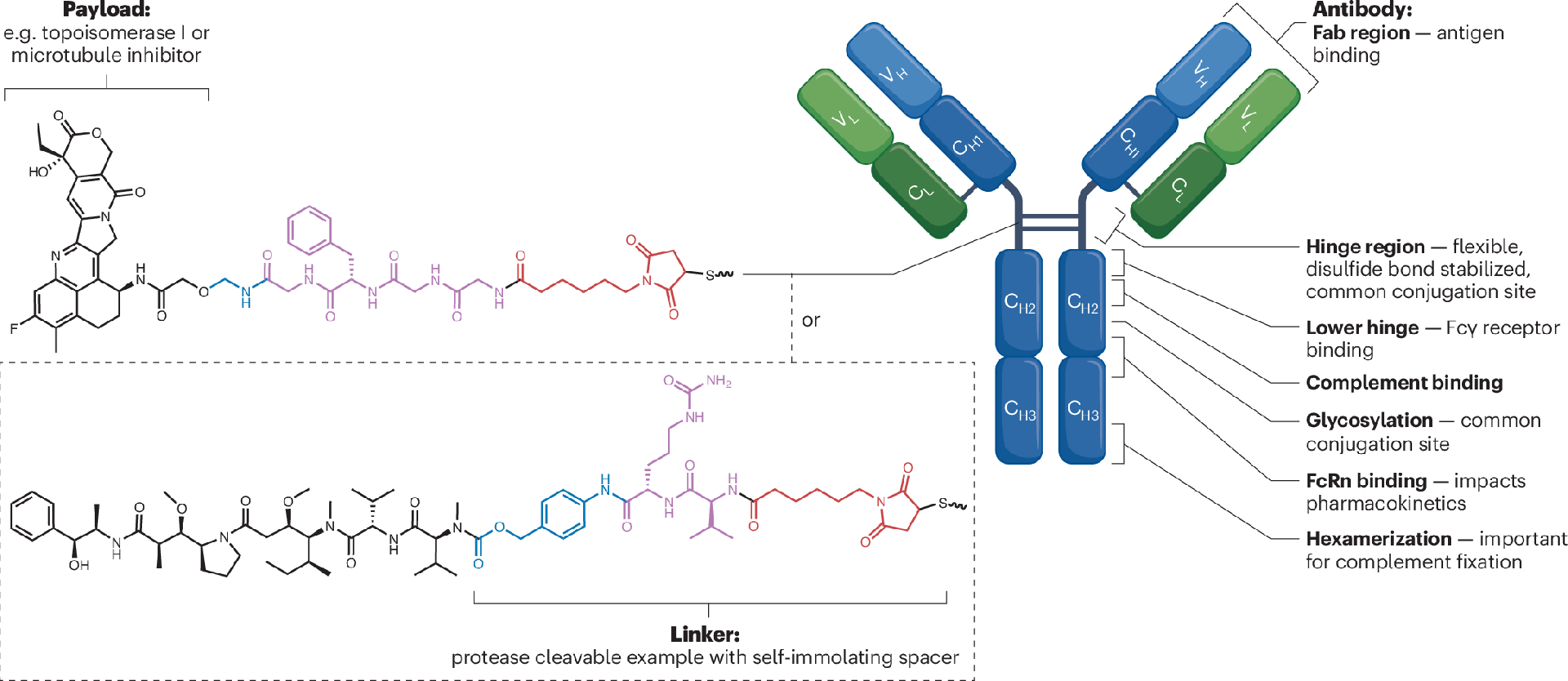
The established ADC structure consists of three core components:
A targeting antibody, usually a monoclonal antibody directed against a tumour-associated antigen
A linker, designed to maintain systemic stability while enabling payload release under defined biological conditions
A payload, typically a highly potent cytotoxic molecule such as an auristatin, maytansinoid, camptothecin derivative, or other toxin
ADC High-throughput Antibody Conjugation →
This configuration provides the foundation for targeted cytotoxic delivery. The antibody governs antigen recognition and tissue distribution. The linker influences plasma stability, intracellular release, and safety. The payload determines the pharmacodynamic mechanism and potency. Conjugation chemistry defines how many payload molecules are attached and where they are positioned on the antibody.
Launched ADC products have historically been based on monoclonal antibody scaffolds, and early development relied heavily on lysine and cysteine conjugation strategies, with cysteine conjugation being particularly dominant in classical ADC workflows.
The XDC concept extends this foundation through a family of targeted conjugates in which each component can be diversified. The antibody can become a bispecific antibody, Fc fusion protein, or nanobody. The payload can shift from a toxin to an oligonucleotide, peptide, chelator, radiotherapeutic component, immune-stimulating agent, protein degrader, or nanoparticle cargo. The conjugation method can progress from stochastic modification to site-specific and multi-step strategies.
ADCs have demonstrated clinical utility, but responses can be limited by several mechanisms. Tumors can downregulate or heterogeneously express the target antigen. Cancer cells can develop resistance to the cytotoxic payload. Linker instability can contribute to off-target toxicity. Payload-related adverse effects can restrict dosing.
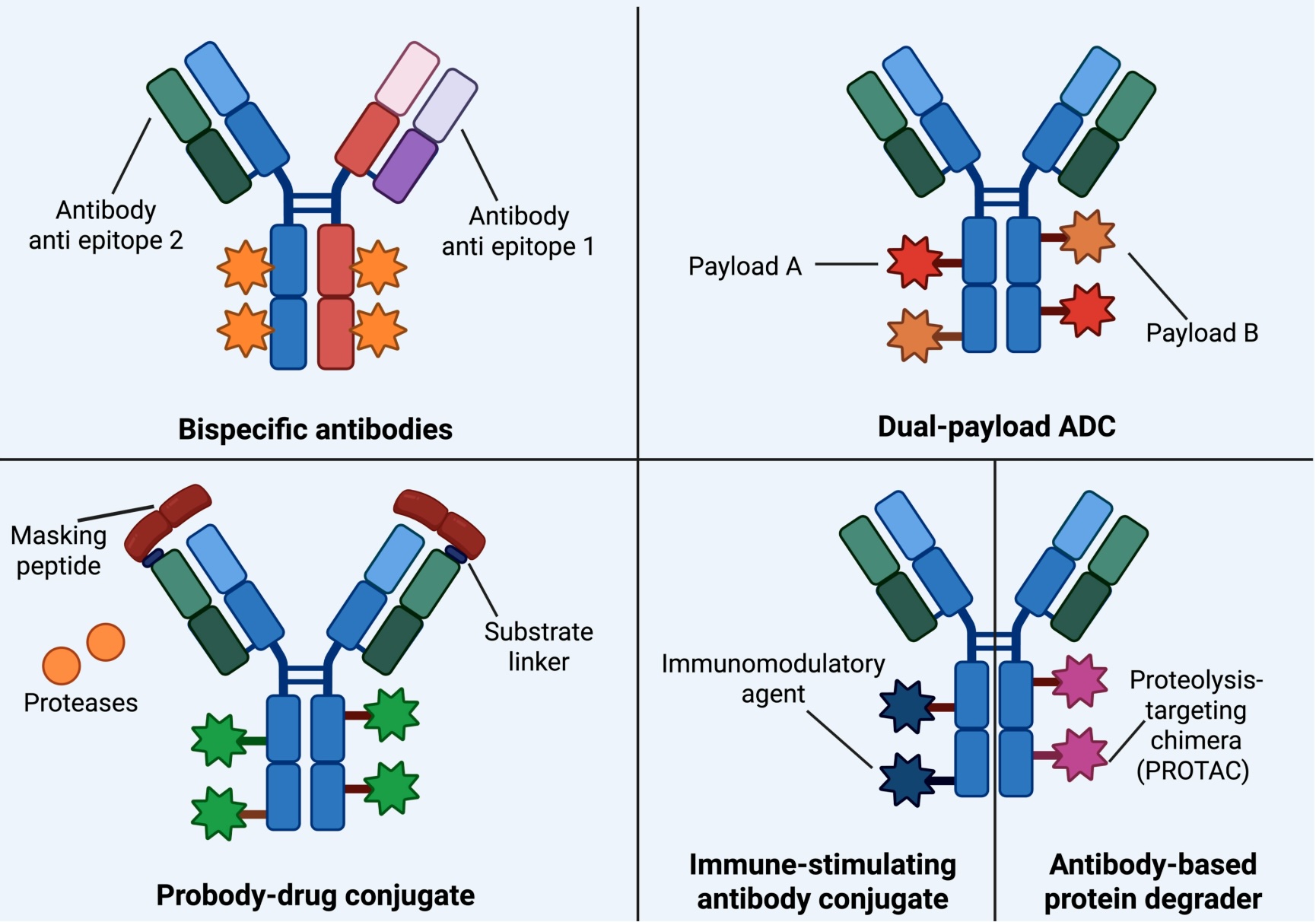
These limitations have stimulated the development of newer ADC formats, including:
Bispecific ADCs: designed to recognize two antigens or epitopes
Conditionally active ADCs: also called probody-drug conjugates, designed to increase tumour-selective activation
Immune-stimulating ADCs: which combine targeted delivery with immunomodulatory activity
Protein-degrader ADCs: which use targeted protein degradation rather than classical cytotoxicity
Dual-drug ADCs: which deliver two payloads to address resistance or tumour heterogeneity
Each of these formats modifies at least one core ADC component: the antibody, linker, payload, or conjugation chemistry.
The antibody component determines the biological address of an ADC. Typically, this would be the monoclonal antibody directed against a single tumor-associated antigen. This design is effective when antigen expression is high, homogeneous, and sufficiently tumor-restricted.
However, many tumors exhibit heterogeneous antigen expression. A single antigen target may not be present on all malignant cells, and antigen loss can contribute to acquired resistance. Bispecific ADCs are one response to this challenge. By recognizing two targets or two epitopes, bispecific formats may enhance tumor cell binding, improve selectivity, or broaden coverage across heterogeneous tumor populations.
Bispecific ADCs are a major trend in XDC development. There is increasing importance of integrating antibody engineering with conjugation chemistry. A bispecific scaffold affects manufacturability, stability, purification, conjugation efficiency, and analytical characterization.
Conjugation chemistry is also a determinant of ADC quality, as it influences drug-to-antibody ratio, positional heterogeneity, hydrophobicity, aggregation, stability, and batch consistency.
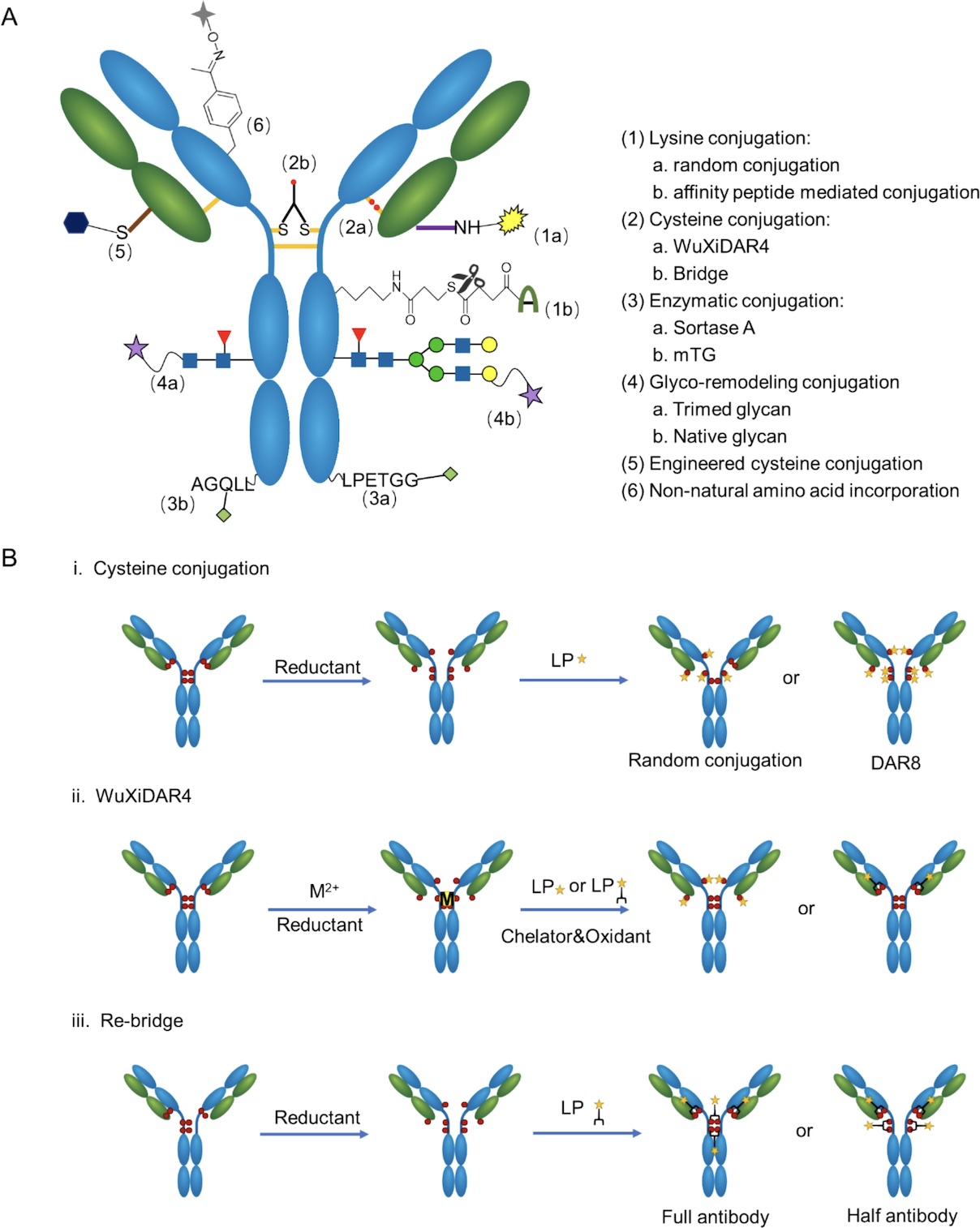
Early ADC conjugation commonly used lysine or cysteine residues. Lysine conjugation can attach payloads to accessible amines distributed across the antibody surface, often generating heterogeneous mixtures. Cysteine conjugation, frequently performed after partial reduction of interchain disulfides, has become a dominant approach because it can provide more constrained DAR distributions than lysine conjugation, although heterogeneity can still occur.
For next-generation XDCs, the trend is toward greater molecular control. Here are several conjugation modes used across XDC projects:
Normal cysteine conjugation
Unnatural amino acid insertion
Microbial transglutaminase-mediated conjugation
Engineered cysteine conjugation
Bridged cysteine conjugation
Multiple-step conjugation
The same materials also describe coupling chemistries such as maleimide chemistry, NHS/TFP chemistry, click chemistry, and other electrophile-to-cysteine linker strategies.
ADC High-throughput Antibody Conjugation →
The drug-to-antibody ratio, or DAR, describes the average number of payload molecules attached to each antibody. DAR is one of the most important quality attributes in ADC and XDC development. A low DAR may reduce potency, whereas a high DAR can increase hydrophobicity, aggregation, altered pharmacokinetics, and toxicity risk. The optimal DAR depends on the antibody, linker, payload, target biology, and intended mechanism of action.
DAR assessment requires orthogonal analytics. Common methods include:
LC-MS, for molecular weight and conjugation-state confirmation
HIC-HPLC, for hydrophobicity-based separation of DAR species
RP-HPLC, for reversed-phase characterization of conjugated species
SEC-HPLC, for aggregation and size variant analysis
AEX-HPLC, particularly relevant for charged conjugates such as antibody–oligonucleotide conjugates
DLS, for particle size and colloidal characterization in nanoparticle-associated systems
Reaction conditions, linker selection, purification strategy, and formulation all depend on reliable analytical feedback.
Payload selection is another major choice in designing ADCs. Microtubule inhibitors or DNA-damaging agents are popular, but newer designs include camptothecin derivatives, auristatins, immune-stimulating payloads, protein degraders, oligonucleotides, peptides, and nanoparticle-based cargo.
Dual-drug ADCs are designed to deliver two payloads within a single targeted construct. This can be useful when tumors contain heterogeneous cell populations or when resistance to a single payload mechanism is likely. By combining payloads with different mechanisms, dual-drug ADCs may address resistance more effectively than single-payload formats, provided that stability, DAR, pharmacokinetics, and tolerability can be controlled.
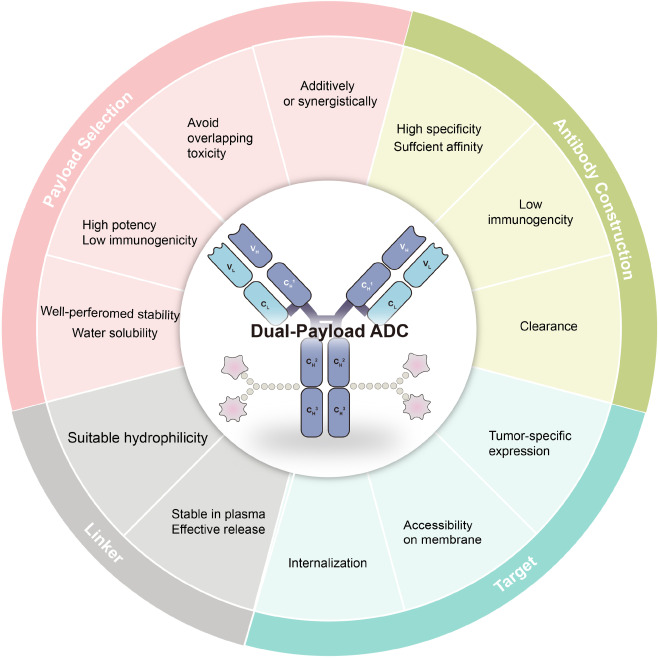
Conditionally active ADCs, also known as probody-drug conjugates, are designed to improve tumor specificity. In this format, the antigen-binding region is masked until the molecule reaches a tumor-associated microenvironment where the masking element is removed or altered, often through protease activity. The goal is to reduce binding in normal tissues while preserving or enhancing tumor-localized activity.
This design addresses one of the major challenges in ADC therapy: treatment-related adverse effects caused by target expression in normal tissues or premature payload exposure. By adding a conditional activation mechanism, probody-drug conjugates aim to improve the therapeutic window. From a development perspective, this strategy creates additional requirements, since the antibody, linker, mask, protease-cleavable element, and payload must all be coordinated.
However, not all emerging ADCs are designed around direct cytotoxicity.
Immune-stimulating ADCs use targeted delivery to modulate immune activity within the tumor microenvironment. They may support immune activation through localized delivery of immunomodulatory agents. This approach could potentially complement existing immuno-oncology strategies, although clinical benefit depends on tumor biology, immune contexture, payload mechanism, and patient selection.
Meanwhile, protein-degrader ADCs deliver molecules that induce degradation of disease-relevant proteins. This format may be useful when degradation of an oncogenic or survival-associated protein is therapeutically preferable to conventional cytotoxic stress. It also creates new design requirements, including payload permeability, intracellular trafficking, linker release, and compatibility between the degrader mechanism and ADC internalization pathway.
These emerging formats are part of the broader XDC transition: targeted conjugates are becoming platforms for mechanism-specific delivery rather than only vehicles for cytotoxic payloads.
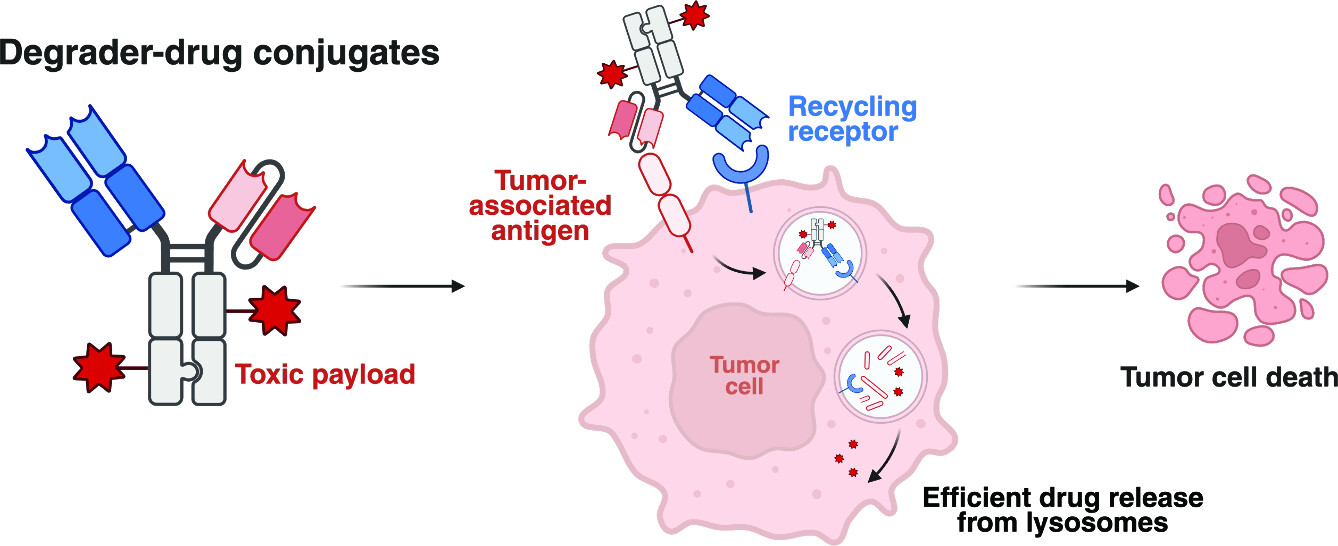
Furthermore, antibody-oligonucleotides are particularly relevant as nucleic acid therapeutics continue to develop, including antisense oligonucleotides and siRNA. In these formats, antibody-mediated targeting may help address delivery limitations associated with oligonucleotide drugs.
Antibody-chelator conjugates represent another important category, especially for radiopharmaceutical or radioimmunotherapy-related applications. The conjugation strategy must support stable chelator attachment while preserving antibody binding and downstream radiolabeling compatibility.
XDC development requires expertise across antibody generation, protein expression, conjugation chemistry, purification, and analytical characterization. A technically strong conjugation workflow begins with a well-characterized antibody or antibody-derived scaffold and continues through linker-payload selection, reaction optimization, purification, and orthogonal quality control.
Biointron’s service platform is positioned across multiple stages relevant to XDC programs, including antibody discovery, antibody expression, antibody optimization, bispecific antibody and ADC-related services, developability evaluation, and gram-level antibody production. Its presentation notes capabilities in transient expression, gene synthesis, affinity purification, stringent quality control, antibody discovery, antibody optimization, bispecific and ADC developability evaluation, and IND candidate antibody expression.
For conjugation-focused programs, Biointron has experience with:
Payloads including camptothecins, auristatins, other toxins, ASO, siRNA, peptides, and LNP-associated systems
Macromolecules including monoclonal antibodies, bispecific antibodies, Fc fusion proteins, and nanobodies
Conjugation strategies including cysteine, UAA, MTG, engineered cysteine, bridged cysteine, and multiple-step conjugation
DAR ranges from 1 to 8
Antibody input scales from milligram to gram level
QC methods including RP-HPLC, HIC-HPLC, AEX-HPLC, LC-MS, and DLS
ADC High-throughput Antibody Conjugation →
ADCs established a clinically validated framework for targeted delivery of potent therapeutic payloads. The continued evolution of this field is now producing a broader XDC landscape, in which antibodies and antibody-derived scaffolds are combined with diverse payloads, advanced linker systems, site-specific conjugation strategies, and non-classical mechanisms of action.
Current therapeutic challenges include acquired resistance, tumor heterogeneity, antigen variability, safety limitations, and the need to identify patients most likely to benefit. However, emerging formats such as bispecific ADCs, probody-drug conjugates, immune-stimulating ADCs, protein-degrader ADCs, and dual-drug ADCs may address these challenges.
As the XDC field advances, success will depend on the integration of precise antibody design, rational payload selection, controlled conjugation chemistry, robust analytical characterization, and biomarker-informed clinical development. For biotechnology and pharmaceutical companies advancing next-generation targeted conjugates, access to integrated antibody production and conjugation capabilities can help translate increasingly complex molecular designs into well-characterized development candidates.
ADC High-throughput Antibody Conjugation →
References:
Tsuchikama, K., Anami, Y., Ha, S. Y., & Yamazaki, C. M. (2024). Exploring the next generation of antibody–drug conjugates. Nature Reviews Clinical Oncology, 21(3), 203-223. https://doi.org/10.1038/s41571-023-00850-2
Tao, J., Gu, Y., Zhou, W., & Wang, Y. (2025). Dual-payload antibody–drug conjugates: Taking a dual shot. European Journal of Medicinal Chemistry, 281, 116995. https://doi.org/10.1016/j.ejmech.2024.116995
In this article, we explore the major trends shaping the future of targeted canc……
Site-specific conjugation limits payload attachment to defined positions on the ……
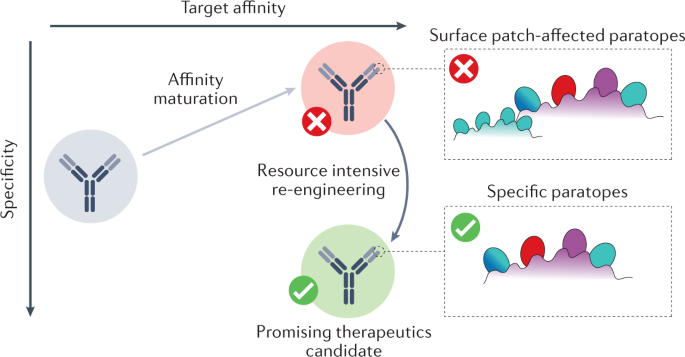
Affinity maturation can improve binding to the intended target, but it can also ……