Antibody conjugates are rapidly redefining precision oncology. Among them, antibody-drug conjugates (ADCs) have emerged as one of the most promising approaches for targeted anticancer drug delivery, combining the selectivity of antibodies with the potency of highly active therapeutic payloads. But as the field matures, conventional ADC designs are no longer enough to address the complexity of solid tumors, treatment resistance, and safety challenges.
Today, next-generation antibody conjugates are evolving beyond the classic antibody-linker-payload format into smarter, more programmable systems. These new designs aim to improve tumor selectivity, expand payload options, enhance tumor penetration, and overcome resistance mechanisms that limit the effectiveness of first-generation platforms.
In this article, we explore the major trends shaping the future of targeted cancer drug delivery, and why integrated expertise in antibody discovery, engineering, and conjugation is becoming increasingly important for successful ADC development.
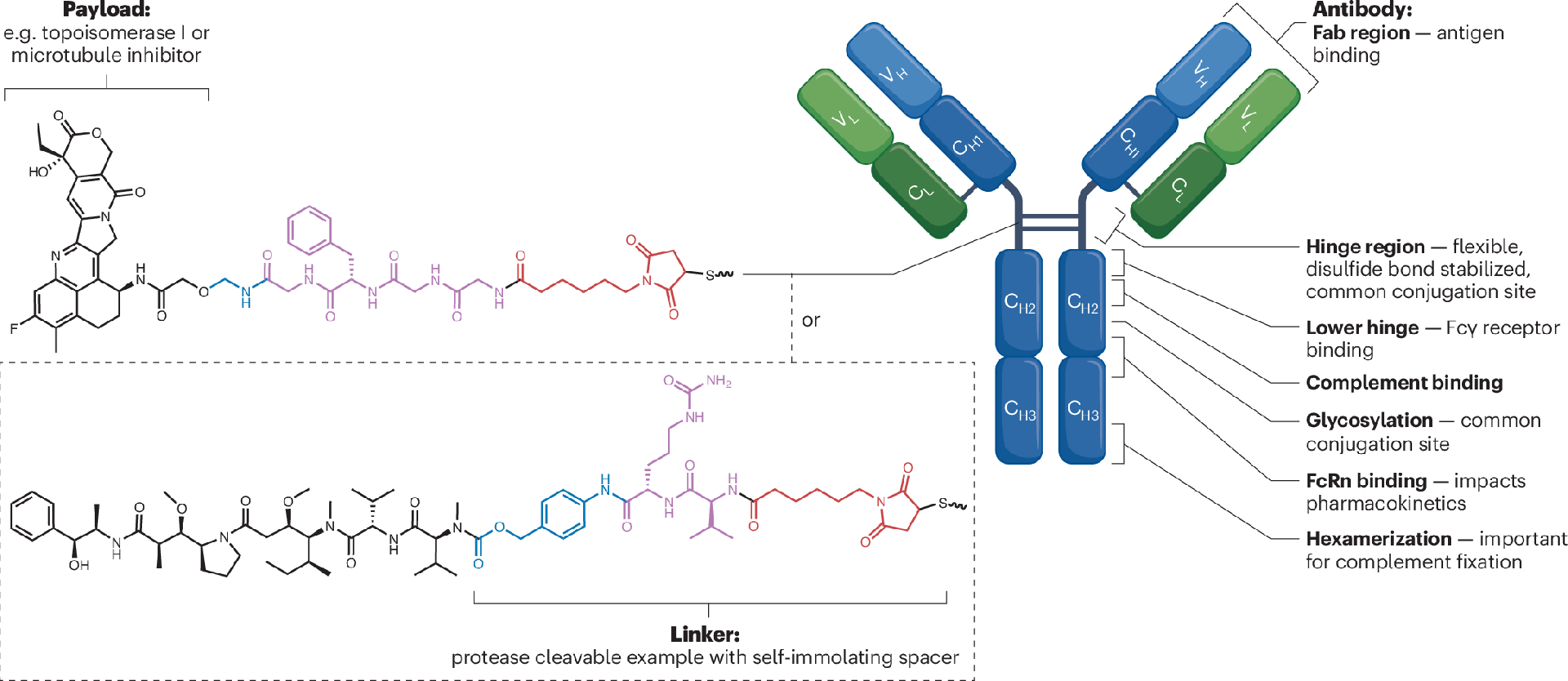
Antibody-drug conjugates are targeted therapeutics built from three main components:
A tumor-targeting antibody
A chemical linker
A therapeutic payload
The antibody recognizes a tumor-associated antigen and directs the conjugate toward cancer cells. After binding, the ADC may be internalized and transported to lysosomes, where the payload is released. In some designs, payload release can also occur in the tumor microenvironment, depending on the chemistry of the linker. The goal of this structure is to increase delivery of highly potent drugs to tumors while reducing systemic exposure and off-target toxicity. However, ADC efficacy depends on much more than antigen expression alone, with important performance factors including:
Antigen accessibility and density
Internalization rate
Receptor recycling
Intracellular trafficking and lysosomal processing
Linker stability
Payload potency and membrane permeability
Conjugation site
Drug-to-antibody ratio (DAR)
Overall ADC homogeneity
Although approved ADCs have delivered major clinical benefits, several challenges remain.
Many conventional ADCs target a single antigen and deliver a single cytotoxic payload. Their activity may therefore be reduced in tumors with:
Heterogeneous antigen expression
Antigen-negative subclones
Antigen loss during treatment
This is particularly relevant in solid tumors, where not all cancer cells express the same surface markers.
ADC resistance mechanisms can arise at multiple levels, including:
Target downregulation or mutation
Reduced internalization
Altered endosomal or lysosomal trafficking
Impaired payload release
Increased drug efflux
Reduced payload sensitivity
Activation of compensatory signaling pathways
Evasion of cell-death pathways
As a result, the next wave of ADCs is increasingly being designed with resistance-informed strategies from the start.
Traditional monoclonal antibodies are large molecules, usually over 150 kDa. In poorly vascularized or densely packed tumors, this can limit tissue penetration and leave parts of the tumor underexposed.
ADC toxicities generally fall into two major categories:
On-target, off-tumor toxicity: binding to normal tissues that also express the target antigen
Off-target toxicity: premature payload release, nonspecific uptake, or target-independent catabolism
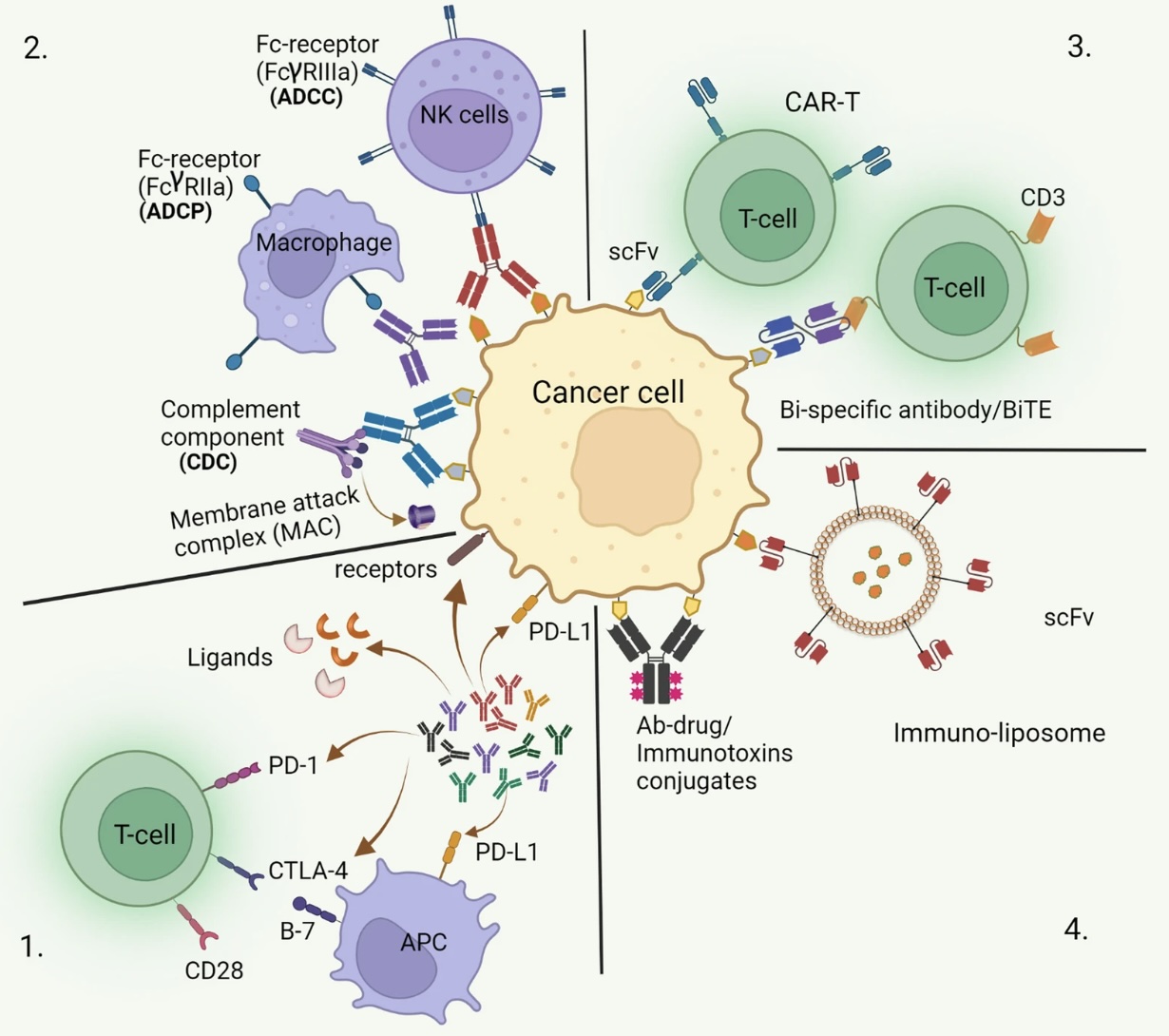
An ideal tumor target should be highly or preferentially expressed on tumor cells, minimally expressed in essential normal tissues, accessible to circulating conjugates, able to support internalization, and stable throughout treatment. At the same time, antibody properties such as affinity, avidity, Fc function, isotype, and glycosylation can influence efficacy, pharmacokinetics, and safety.
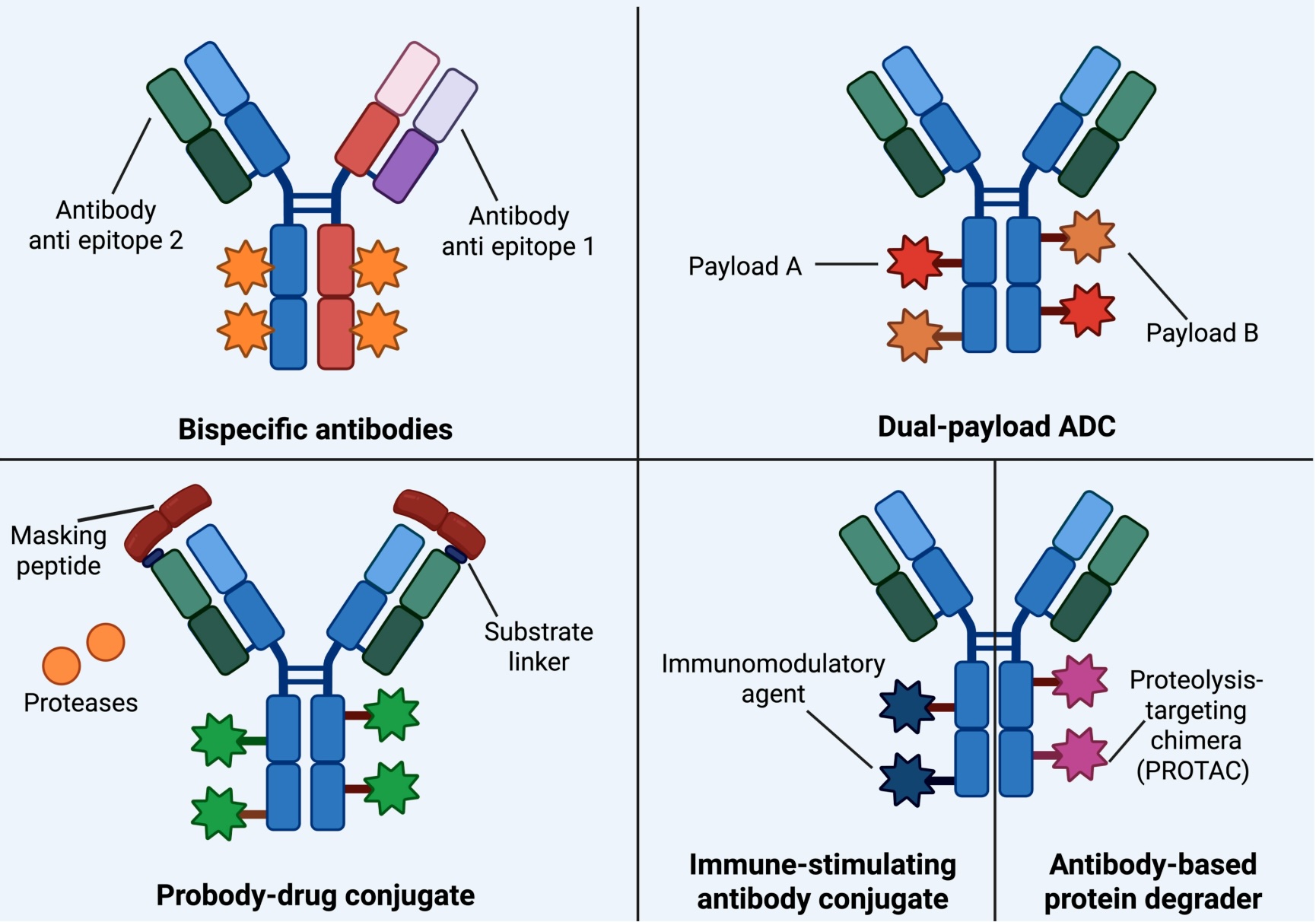
Bispecific ADCs recognize either:
Two different tumor-associated antigens, or
Two epitopes on the same antigen
Potential benefits include:
Better selectivity for tumor cells
Broader coverage of heterogeneous tumors
Enhanced receptor clustering and internalization
Simultaneous disruption of compensatory signaling pathways
Biparatopic ADCs, which bind two distinct epitopes on the same antigen, may also improve avidity and accelerate internalization. These formats are especially attractive for overcoming tumor heterogeneity and expanding the reach of targeted cancer therapeutics.
Another promising strategy is the Probody-drug conjugate, in which the antibody binding site is masked during circulation and activated preferentially within the tumor microenvironment. Activation can be triggered by:
Tumor-associated proteases
Acidic pH
Other disease-specific biochemical signals
This conditional targeting model may help reduce systemic on-target toxicity and enable targeting of antigens that are also present on normal tissues.
Smaller antibody-derived formats such as nanobodies and single-domain antibodies are also being investigated for tumor-targeted drug delivery. Because of their reduced size, they may penetrate tumors more effectively than full-length antibodies.
Their main limitation is shorter half-life, which can reduce tumor exposure unless pharmacokinetics are engineered appropriately.
For ADCs, the linker is a major determinant of efficacy, safety, and payload release behavior.
Cleavable linkers respond to conditions associated with tumors or intracellular compartments, such as:
Acidic pH
Lysosomal proteases
Reducing conditions
Elevated glutathione
These linkers can release membrane-permeable payloads that diffuse into neighboring cells, generating a bystander effect. This can be highly beneficial in tumors with mixed target expression. However, premature cleavage can increase systemic toxicity and reduce therapeutic selectivity.
Non-cleavable linkers generally require complete lysosomal degradation of the antibody before the payload is released. This often produces less membrane-permeable metabolites and limited bystander killing. This design may be advantageous when:
Antigen expression is high and uniform
Internalization is efficient
Minimizing collateral damage to nearby normal cells is important
Next-generation ADC linker technologies include:
Tumor-protease-sensitive linkers
pH-responsive linkers
Redox-responsive linkers
Hydrophilic linkers to reduce aggregation and drug efflux
Branching linkers for multiple payloads
Sequential-release linkers
Sequential-release designs are particularly exciting because they allow programmed payload delivery, where one agent sensitizes the cell before a second therapeutic is released.
Payload evolution is another major driver of next-generation ADC platforms.
Conventional payloads include:
Microtubule inhibitors such as auristatins and maytansinoids
DNA-damaging agents such as calicheamicins and duocarmycins
Topoisomerase I inhibitors such as deruxtecan, exatecan derivatives, and SN-38
But the payload space is expanding rapidly to include:
Immune agonists
Targeted protein degraders
Oligonucleotides
Radionuclides
Other targeted small molecules
When selecting payloads for antibody-mediated drug delivery, developers must consider:
Potency
Activity in proliferating and non-proliferating cells
Membrane permeability
Efflux susceptibility
Stability after release
Bystander effect potential
Class-associated toxicity
Topoisomerase I inhibitor ADC payloads have become increasingly important because they combine strong potency with membrane permeability and bystander activity.
For example, trastuzumab deruxtecan has demonstrated how a high-DAR ADC with a membrane-permeable payload can remain active even in tumors with heterogeneous or lower target expression.
One of the most important next-generation ADC trends is the development of dual-payload ADCs. These conjugates carry two therapeutic agents on a single antibody scaffold. Their goals include:
Hitting multiple vulnerabilities at once
Reducing the likelihood of cross-resistance
Addressing tumor-cell heterogeneity
Combining direct cytotoxicity with immune activation
Possible payload combinations include:
A microtubule inhibitor plus a DNA-damaging agent
Two non-cross-resistant cytotoxics
A cytotoxic payload plus an innate immune agonist
A sensitizing agent followed by a second cytotoxic payload
These designs are highly promising, but they also demand precise control over conjugation chemistry, payload ratio, and product homogeneity.
The drug-to-antibody ratio (DAR) is an important parameter in ADC design. A low DAR can lead to insufficient payload delivery, but an excessively high DAR can:
Increase hydrophobicity
Promote aggregation
Accelerate clearance
Reduce antibody stability
Increase nonspecific toxicity
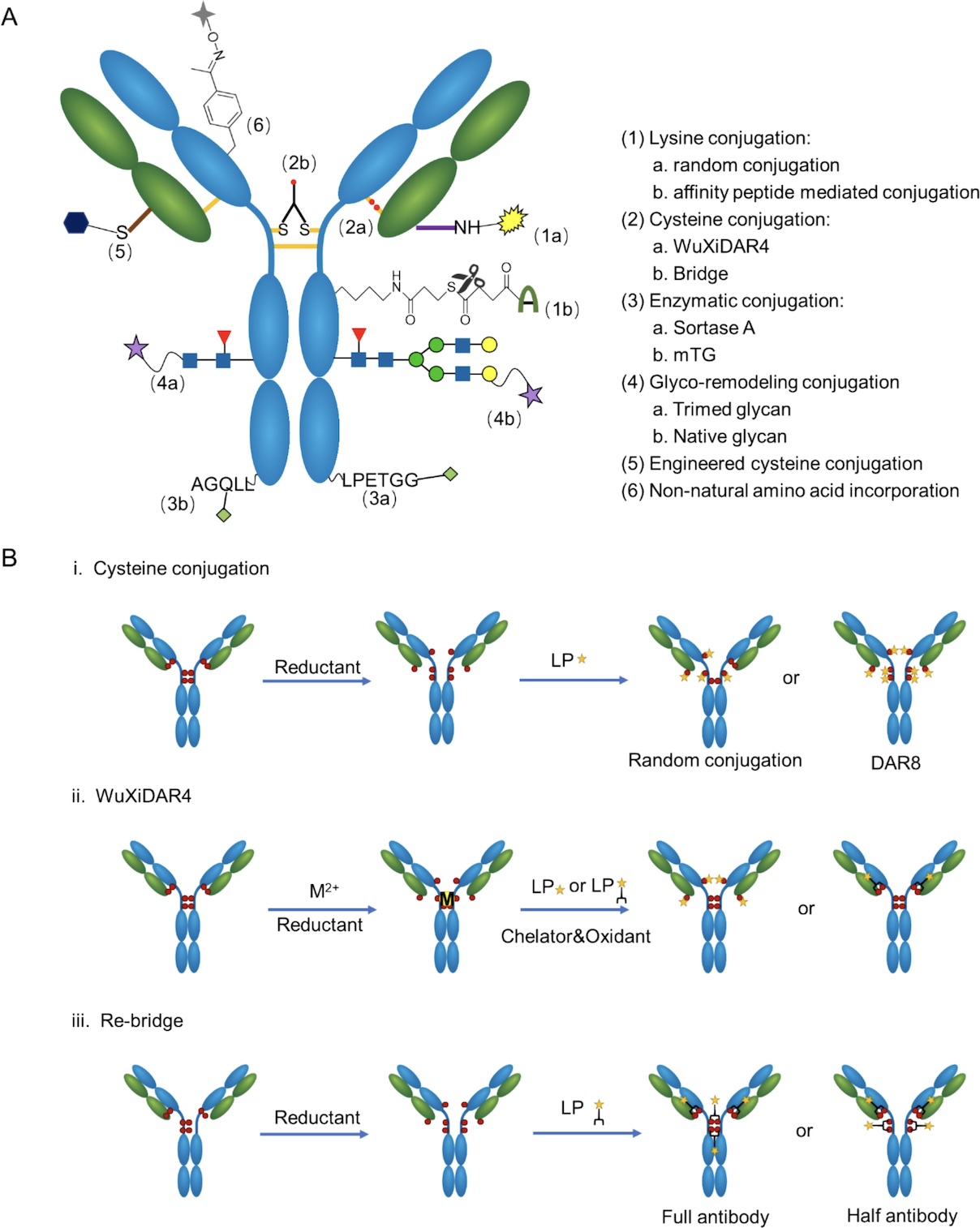
To better control these tradeoffs, many developers now prefer site-specific conjugation approaches. Compared with conventional stochastic conjugation, site-specific methods can deliver:
Better product homogeneity
More defined DAR
Improved stability
More predictable pharmacokinetics
For more advanced architectures such as dual-payload ADCs, orthogonal conjugation strategies are especially important.
As ADC resistance becomes better understood, developers are building that knowledge into next-generation designs. Promising approaches include:
Targeting two antigens or epitopes
Choosing payloads with lower susceptibility to efflux pumps
Using hydrophilic linker modifications
Leveraging membrane-permeable payloads for bystander killing
Combining two non-cross-resistant payloads
Delivering a sensitizer before a cytotoxic payload
Using alternative uptake routes through smaller or different targeting scaffolds
Combining ADCs with checkpoint inhibitors or targeted therapies
Selecting patients using target and resistance biomarkers
This biomarker-driven approach is likely to be essential for improving response durability in targeted oncology drug development.
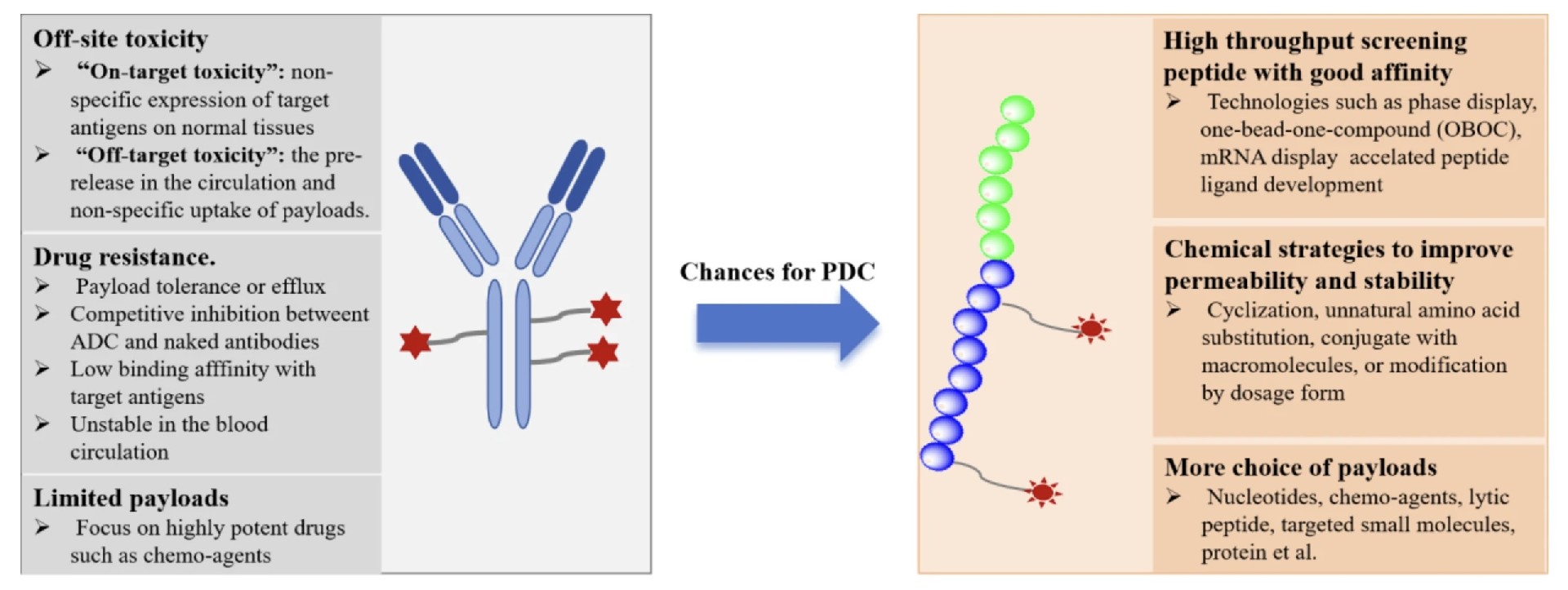
In addition to ADCs, peptide-drug conjugates (PDCs) are emerging as a complementary platform for targeted drug delivery in cancer. A PDC consists of:
A targeting or functional peptide
A linker
A therapeutic payload
Compared with traditional ADCs, PDCs may offer:
Smaller molecular size
Better tissue penetration
Lower manufacturing complexity
Simpler functionalization
Lower immunogenicity
Greater product homogeneity
However, PDCs also face challenges such as rapid renal clearance, short half-life, and lower in vivo stability. Strategies like cyclization, stapling, PEGylation, lipidation, and self-assembly are being explored to improve performance.
ADC combination therapy is another fast-growing area. ADCs are increasingly being combined with:
Immune checkpoint inhibitors
Kinase inhibitors
DNA-damage response inhibitors
Endocrine therapies
Other monoclonal antibodies
These combinations may enhance efficacy through immunogenic cell death, tumor antigen release, dendritic-cell activation, and broader pathway suppression. But they also increase the need for careful safety monitoring, especially for overlapping toxicities.
The future of next-generation antibody conjugates lies in the integration of multiple design principles:
Smarter targeting
More controlled linker chemistry
Expanded payload classes
Better penetration in heterogeneous tumors
Resistance-aware development
Biomarker-guided patient selection
Rather than functioning as simple “guided missiles,” tomorrow’s conjugates are being engineered as multifunctional, conditionally activated, pharmacologically programmed delivery systems.
For researchers, this means ADC success depends not only on identifying a good target or a potent payload, but also on coordinating antibody engineering, conjugation strategy, intracellular biology, and manufacturability from the earliest stages.
At Biointron, we recognize that advancing ADC and antibody conjugate development requires strong antibody discovery capabilities together with flexible support for engineering and downstream applications. As conjugate formats become more sophisticated, robust upstream antibody generation and optimization remain essential to building successful targeted therapeutics.
Next-generation antibody conjugates for targeted anticancer drug delivery are pushing the field well beyond traditional ADC design. Innovations in targeting, linker chemistry, payload engineering, conjugation methods, and resistance-focused strategies are opening the door to more precise and effective cancer therapies.
As the field evolves, the winners will likely be those programs that best align target biology, payload pharmacology, molecular design, and translational strategy. If your team is exploring ADC discovery, antibody engineering, or next-generation targeted therapeutic development, building the right molecular foundation early can make a meaningful difference in downstream success.
References:
Etessami, J. D., Valenza, C., Tolcher, A. W., LoRusso, P., & Curigliano, G. (2026). Advancing Antibody-Drug Conjugates: Current Perspectives and Future Directions. American Society of Clinical Oncology Educational Book, 46(3). https://doi.org/10.1200/edbk-26-517110
Kumar, M., Jalota, A., Sahu, S. K., & Haque, S. (2024). Therapeutic antibodies for the prevention and treatment of cancer. Journal of Biomedical Science, 31(1). https://doi.org/10.1186/s12929-024-00996-w
Wang, D., Yin, F., Li, Z., Zhang, Y., & Shi, C. (2025). Current progress and remaining challenges of peptide–drug conjugates (PDCs): next generation of antibody-drug conjugates (ADCs)? Journal of Nanobiotechnology, 23(1). https://doi.org/10.1186/s12951-025-03277-2
Site-specific conjugation limits payload attachment to defined positions on the ……
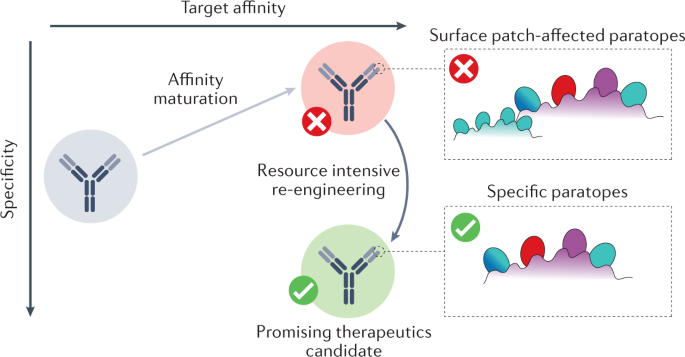
Affinity maturation can improve binding to the intended target, but it can also ……
ADC development is no longer limited to the antibody-linker-toxin model. The fie……